When you buy a home, it can feel like an exciting new chapter begins. But beneath the surface of attractive walls and neat gardens, hidden problems can exist. That is why a pre-purchase structural inspection matters. It gives you a clear picture of the property before you commit, and helps avoid surprise repair costs, safety risks or long term issues.
What a Structural Inspection Looks At?
A proper structural inspection reviews all major load-bearing and structural elements of a building. This includes foundations, walls, floors, roof structure, chimneys, beams and load-bearing walls. The goal is to check stability, detect any movement, damp, rot, subsidence or hidden defects.
Why Does It Matter Before You Buy?
- Spot Hidden Defects Early
Older homes or houses with previous extensions, conversions or non-standard construction often have unseen structural issues. A structural inspection reveals underlying problems before you sign on the dotted line.
- Avoid Unexpected Costs
Repairing structural defects after purchase can be expensive. An inspection report gives you an accurate view of any required work. With this information, you can budget properly or negotiate with the seller.
- Ensure Safety and Longevity
A home with structural faults may pose risks such as damp, collapse, subsidence or further deterioration. A pre-purchase inspection helps ensure that the property stands stable over time and remains safe for living.
Know What You Are Buying
A structural inspection goes beyond what meets the eye. Roofs, foundations, hidden timber frames, drainage issues or damp related problems often escape a basic visual survey. A full inspection produces a professional report, with findings and recommendations, giving you clarity about what you are buying.
When a Structural Inspection Is Especially Important?
Consider a pre-purchase structural inspection when:
- Property is older than average
- It has had extensions, loft conversions or major renovations
- There are visible cracks, damp patches or previous water damage
- The building shows signs of subsidence or uneven floors
- It has non-standard construction or unusual design
- You plan major renovation or structural changes soon.
What to Expect from a Qualified Structural Inspection?
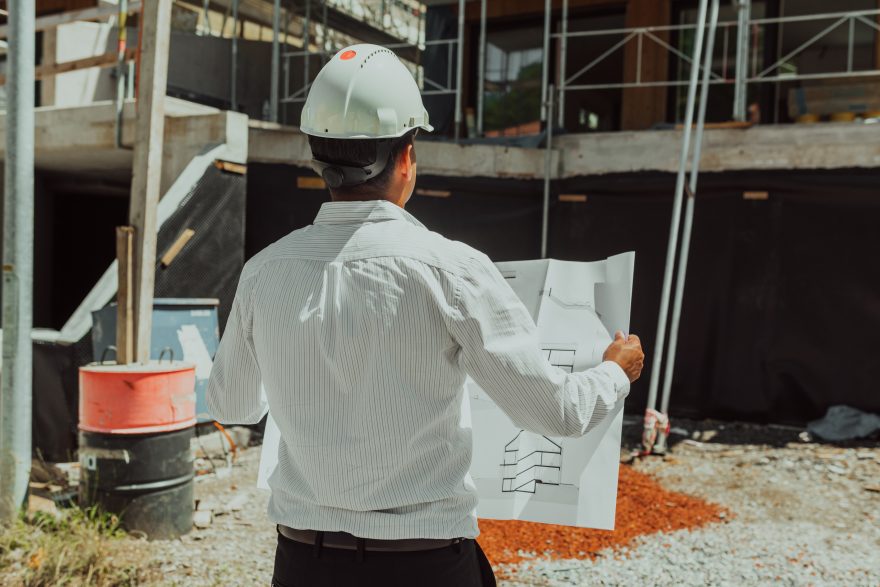
A full structural inspection is carried out by a structural engineer. The engineer visually inspects foundations, walls, roofs, floors and other key areas. If needed, they may recommend deeper investigation or material checks. After inspection you receive a detailed report that outlines findings, possible risks, and recommendations for repair, further monitoring or maintenance.
Buying a home is a major decision and often the biggest financial commitment you make. A pre-purchase structural inspection gives you peace of mind. It provides clarity on structural safety, avoids unexpected costs and helps you make a confident decision.