Architectural and structural drafting sit at the core of every successful construction project in the UK. These services translate ideas into clear, buildable drawings that guide planning approvals, engineering decisions, and on-site execution. Without accurate drafting, even a well-designed project can face delays, cost overruns, or compliance issues. Firms like ABOTTSE focus on producing precise, regulation-aligned drawings that support smooth project delivery from concept to completion.
What is Architectural Drafting in UK?
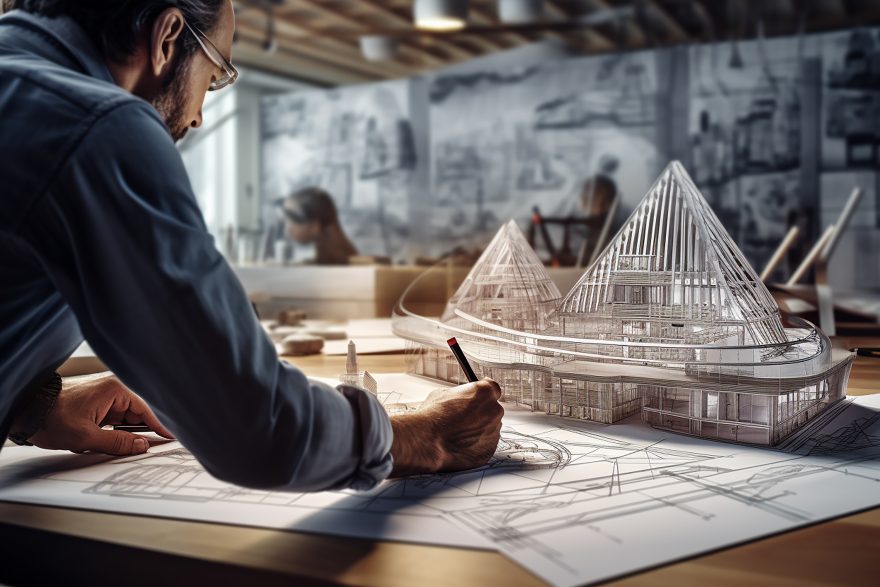
Architectural drafting focuses on how a building looks, feels, and functions. It converts design concepts into technical drawings that define layouts, dimensions, and spatial relationships. These drawings are used for planning permissions, client approvals, and coordination with engineers and contractors.
A typical architectural drawing set includes floor plans, elevations, and sectional views. These elements help you understand how spaces connect and how the structure will appear once built. In the UK, architectural drafting must comply with local planning regulations and standards, ensuring that designs are practical, safe, and approved without unnecessary revisions.
What is Structural Drafting in the UK?
Structural drafts are based on engineering calculations and material specifications. They guide fabricators and contractors on how each component should be built and assembled. Accuracy is critical here, as even small errors can impact the integrity of the entire structure. In UK projects, structural drafting aligns closely with Eurocodes and building regulations to maintain safety standards.
Role of CAD & BIM in Drafting
Modern architectural and structural drafting in the UK relies on digital tools like CAD and BIM. These technologies have replaced manual drafting methods, making the process faster and more precise.
CAD allows you to create detailed 2D drawings with exact measurements, while BIM goes a step further by building intelligent 3D models. These models contain data about materials, dimensions, and performance, which helps teams collaborate more effectively. A few key advantages of using CAD and BIM include:
- Better accuracy and fewer design errors
- Faster revisions and updates
- Improved coordination between architects and engineers
- Early detection of design clashes
Architectural vs Structural Drafting
Architectural and structural drafting work together but serve different roles in a project. Architectural drafting focuses on layout, usability, and visual aspects, while structural drafting ensures the building can support loads and remain stable.
You can think of architectural drawings as the “what” and structural drawings as the “how.” Both must align perfectly to avoid conflicts during construction. Poor coordination between the two can lead to delays, redesigns, or increased costs.
Applications in UK Construction
Drafting services are used across a wide range of construction projects in the UK. Residential developments rely on clear drawings for planning approvals and efficient construction. Commercial and industrial projects depend heavily on structural drafting due to their scale and complexity.
Extensions, renovations, and modular construction projects also require detailed drafting to ensure new additions integrate seamlessly with existing structures. As construction methods evolve, drafting continues to play a key role in maintaining quality and compliance.
Why Accurate Drafting Matters
Accurate drafting directly impacts project timelines, costs, and quality. Clear drawings reduce misunderstandings on-site and help contractors execute work as intended. They also make it easier to estimate materials and manage budgets effectively.
Well-prepared drafting documents support faster approvals, smoother communication, and fewer construction errors. This leads to better project outcomes and long-term performance of the building.
Architectural and structural drafting in the UK form the backbone of any construction project. Architectural drafting defines the design and usability of a space, while structural drafting ensures strength and safety. With the use of advanced tools like CAD and BIM, modern drafting services deliver precision, efficiency, and reliable execution across residential, commercial, and industrial projects.