Steel frame and timber frame construction are two of the most widely used structural systems in the UK. Each method offers distinct advantages depending on the type of project, budget, and performance expectations. Companies like ABOTTSE focus on delivering efficient structural design solutions using both systems, ensuring compliance with UK building standards and long-term durability.
What is Steel Frame Design?
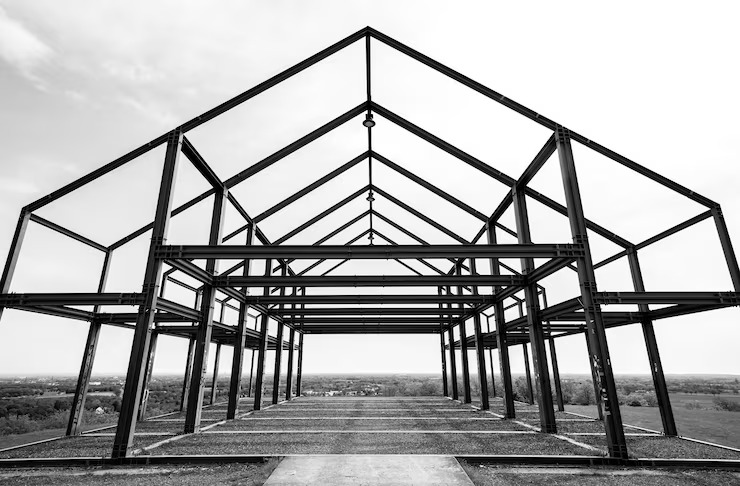
Steel frame design uses high-strength steel columns and beams to create the structural skeleton of a building. This method is common in commercial buildings, high-rise structures, and modern residential projects.
Steel is known for its exceptional strength-to-weight ratio, allowing it to support heavy loads without increasing the overall weight of the structure. It also offers precision in manufacturing, which leads to faster construction timelines.
Key Benefits of Steel Frame Construction
- High strength and durability – Steel outperforms timber in load-bearing capacity and structural stability
- Fire and moisture resistance – Steel does not rot, warp, or attract pests
- Design flexibility – Suitable for large spans and open-plan layouts
- Low maintenance – Requires minimal upkeep over time
- Long lifespan – Steel structures can last for decades with proper treatment
Steel frames are ideal for projects where structural performance and longevity are the top priorities.
What is Timber Frame Design?
Timber frame design uses engineered wood or solid timber to form the structural framework of a building. It is widely used in residential housing across the UK.
Timber construction has been used for centuries and remains popular due to its sustainability and cost-effectiveness. Modern timber systems are often prefabricated, allowing faster on-site assembly.
Key Benefits of Timber Frame Construction
Cost-effective – Lower upfront cost compared to steel
- Excellent insulation – Natural thermal properties improve energy efficiency
- Sustainable material – Renewable and environmentally friendly
- Faster construction – Prefabrication reduces build time
- Lightweight structure – Requires simpler foundations
Timber frames are suitable for low to mid-rise residential buildings where energy efficiency and cost are key factors.
Steel Frame vs Timber Frame Design in UK
Choosing between steel and timber depends on project-specific requirements. Both systems perform well when designed correctly.
Key Differences
- Strength: Steel is stronger and better for large or complex structures
- Cost: Timber is cheaper initially, while steel offers better long-term value
- Durability: Steel resists pests, moisture, and fire more effectively
- Sustainability: Timber is renewable, while steel is recyclable
- Thermal performance: Timber naturally insulates better than steel
In many UK projects, hybrid designs combine both materials to achieve structural strength and energy efficiency.
Applications in UK Construction
Steel and timber frames are used across various sectors in the UK:
Residential housing – Timber frames dominate due to affordability and speed
Commercial buildings – Steel frames are preferred for strength and scalability
Industrial structures – Steel is widely used for warehouses and factories
Extensions and modular builds – Both materials are used depending on design needs
Modern construction increasingly focuses on sustainability, leading to more innovative uses of timber alongside steel.
Choosing the Right Frame Design
The right choice depends on your project goals:
- Choose steel frame design for durability, large spans, and long-term performance
- Choose timber frame design for cost efficiency, sustainability, and faster builds
Working with experienced structural engineers like ABOTTSE ensures the design meets UK regulations while optimizing cost and performance.
Steel frame and timber frame design both play a critical role in UK construction. Steel offers unmatched strength and longevity, while timber provides cost-effective and sustainable solutions. The decision ultimately depends on your project type, budget, and long-term objectives. A well-planned structural design ensures safety, efficiency, and value across the lifecycle of the building.